


If you’re considering enhancing your lips with cosmetic injectables, understanding the timeline is essential for planning and budgeting. Most hyaluronic acid-based lip fillers last 6 to 12 months, though this varies significantly based on individual factors such as metabolism, lifestyle choices, and the specific product used. Some people find their results fade in as little as four months, while others enjoy plump, well-defined lips for over a year before needing a touch-up.
The journey with lip augmentation is highly personal, and knowing what influences how long your results will last helps you set realistic expectations. From the type of filler your practitioner chooses to how your body naturally breaks down the product, multiple elements come into play. Let’s explore the key factors that determine filler longevity and how you can maximize your investment in fuller lips.
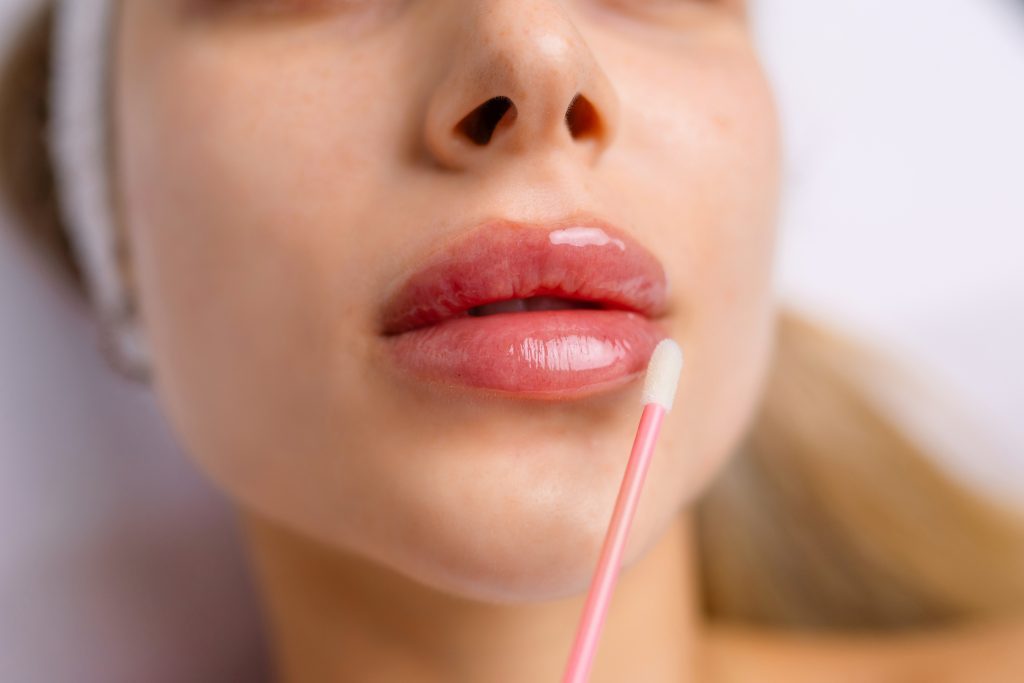
Lip fillers are typically composed of hyaluronic acid (HA), a naturally occurring substance in the body that attracts and retains moisture. This is the same molecule that keeps your skin hydrated and plump. Because HA is biocompatible, your body recognizes it and gradually metabolizes it. This natural breakdown process is why fillers aren’t permanent and require maintenance to sustain results.
The lips are one of the most mobile areas of the face. Every time you talk, eat, laugh, or express emotion, you’re activating the muscles around your mouth. This constant movement accelerates the breakdown of filler material compared to less mobile areas, such as the cheeks or under-eye region. Additionally, the lip tissue itself is thinner and has fewer supportive structures, meaning fillers in this area are metabolized more quickly than in denser facial regions.
Different brands and formulations of HA fillers are designed with varying molecular weights and cross-linking densities. Products with higher cross-linking tend to resist breakdown longer, potentially lasting closer to the 12-month mark or beyond. Your injector will select a filler based on your desired outcome, with some products better suited for adding subtle volume and others designed for more dramatic reshaping.
Not all lip injections are created equal. The cosmetic injectable market offers several FDA-approved options, each with distinct characteristics that affect longevity. Popular brands include Juvéderm, Restylane, Belotero, and Revanesse, among others. Some formulations are specifically designed for lip enhancement, with a softer consistency that moves naturally with your expressions while still providing noticeable volume.
The amount of product injected also influences how long results last. A full syringe (typically 1 mL) will naturally last longer than half a syringe because there’s simply more material for your body to break down. However, more isn’t always better. Overfilling can lead to unnatural-looking results, so skilled practitioners balance aesthetic goals with appropriate volume.
Your initial treatment plan matters too. Some people start with a conservative approach and build volume gradually over multiple sessions, while others achieve their desired look in one appointment. Interestingly, some practitioners suggest that building up filler gradually may help train the tissue to retain volume better over time, though this theory isn’t universally accepted in the medical aesthetic community.
Individual metabolism is perhaps the most significant factor you can’t control. People with faster metabolisms break down hyaluronic acid more quickly, so they’ll see their lip filler results fade sooner than those with slower metabolisms. This is why two people who receive identical treatments may experience completely different timelines for how long their fillers last.
Age also intersects with metabolism. Younger patients often have more active metabolic processes and may metabolize fillers faster, while older patients might find their results last slightly longer. However, this isn’t a hard-and-fast rule, as individual variation trumps age-related generalizations.
Several lifestyle factors directly impact how long your fillers remain visible:
Exercise intensity: Vigorous, frequent exercise increases blood flow and metabolism, which can accelerate filler breakdown
Sun exposure: UV radiation degrades hyaluronic acid, making sun protection crucial for maintaining results
Smoking: Tobacco use restricts blood flow and accelerates aging, potentially reducing filler longevity
Hydration: Staying well-hydrated helps HA fillers maintain their volumizing effect, as hyaluronic acid binds water molecules
Stress levels and sleep quality also matter. Chronic stress and poor sleep can affect how your body repairs and maintains tissues, potentially influencing how long fillers last.
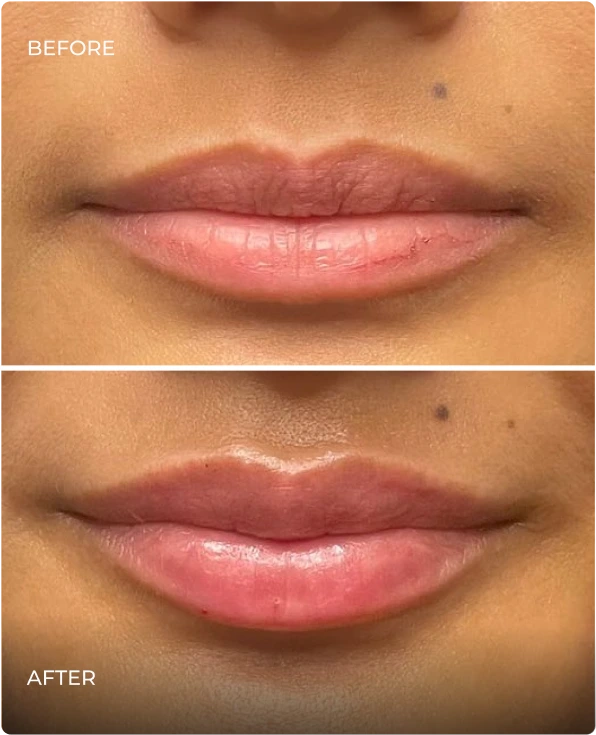
Immediately after treatment, you’ll notice swelling that makes your lips appear fuller than they will in the final result. This initial swelling typically subsides within 48-72 hours, revealing the true outcome of your lip injections. During the first two weeks, the filler integrates with your tissue and settles into its final position.
The peak appearance usually occurs around the two-week mark and can last for several months. As time progresses, the filler gradually diminishes through natural metabolic processes. Most people notice the volume decreasing slowly rather than disappearing abruptly. The fading is typically subtle at first, with more noticeable changes appearing in the final month or two before a touch-up is needed.
A lip flip is a different procedure entirely from traditional lip fillers. Instead of adding volume with hyaluronic acid, a lip flip uses a small amount of neuromodulator (like Botox) injected into the orbicularis oris muscle. This relaxes the muscle, causing the upper lip to gently roll outward and appear fuller without adding actual volume.
The results of a lip flip last 2-3 months on average, significantly shorter than traditional fillers. However, it’s a more subtle enhancement that appeals to people wanting to show more of their upper lip when smiling without the commitment or look of volumizing fillers. Some patients combine both techniques to achieve comprehensive lip enhancement.
Strategic timing of follow-up treatments can help maintain consistent results. Rather than waiting until fillers completely dissolve, many practitioners recommend scheduling touch-ups when you still have some filler remaining. This approach maintains your lip structure more consistently and may require less product over time.
The concept of “topping off” has gained popularity in aesthetic medicine. By adding small amounts of filler before complete dissolution, you maintain a stable baseline of volume. Some evidence suggests this approach may stimulate collagen production in the treated area, potentially improving your natural lip structure over time.
Building a relationship with a skilled injector who understands your aesthetic goals is invaluable. They can track how your individual physiology responds to fillers and adjust timing, technique, and product selection accordingly. Regular patients often find they need fewer treatments as their provider optimizes their care.
Choosing to get lip fillers requires careful consideration beyond just aesthetics. Research qualified, experienced injectors who specialize in facial aesthetics and have extensive portfolios showing natural-looking results. Board-certified dermatologists, plastic surgeons, and trained nurse injectors with proper credentials are your safest options.
During consultation, discuss your expectations openly and ask about:
Understanding that maintenance is part of the process helps you budget appropriately. Calculate not just the initial treatment cost but the annual expense of maintaining your desired look. For many people, the confidence boost and satisfaction with their appearance make the ongoing investment worthwhile.
At GetPlump, we specialize in helping you achieve beautiful lips through expertly administered injectable treatments tailored to your unique facial features. Our experienced practitioners use premium hyaluronic acid fillers and advanced injection techniques to enhance your natural shape while addressing lip lines and restoring volume lost to aging. Whether you’re looking to define your cupid’s bow, add more volume for plump lips, or simply refresh your appearance, we create customized treatment plans that honor your individual beauty. We understand that many factors influence your results, from how your body breaks down fillers to your lifestyle and aesthetic preferences, which is why we take time during consultation to discuss realistic expectations and optimal maintenance schedules.
Your comfort is our priority, so we often use topical anesthetics to ensure a pleasant experience from start to finish, allowing you to relax while we artfully enhance your lips with precision and care.
Understanding how long lip fillers last empowers you to plan your aesthetic journey with confidence and realistic expectations. While several factors influence duration – from the filler type you choose to how your body naturally metabolizes hyaluronic acid – most people enjoy their enhanced pout for 6 to 12 months. The healing process typically takes just a few days, though you may experience some bruising or feel slightly swollen initially. During recovery, it’s important to stay hydrated and drink plenty of water to support optimal results, avoid excessive sun exposure to protect the delicate treated area, and use a nourishing lip balm to keep your lips comfortable. Many patients find that lip movement feels completely natural within a week, and they can resume wearing their favorite lipstick without any concerns once the initial swelling subsides.
Maintaining beautiful lips is an ongoing partnership between you and your aesthetic provider. By scheduling regular appointments for touch-ups before your filler completely dissolves, you can maintain consistent volume without needing more filler each time to rebuild from scratch. Pay attention to how your body responds, protect your investment with proper aftercare and sun protection, and communicate openly with your injector about your satisfaction with the results. With the right approach and realistic expectations, lip fillers can be a rewarding way to enhance your confidence and love the reflection you see in the mirror every day.

By Dr. Blinski
January 29, 2026