


Chemical Peels vs Microneedling: Differences, Benefits, and Results
If you’ve been scrolling through skincare forums or sitting in a dermatologist’s waiting room, chances are you’ve wondered which treatment is right for your skin. Both options have exploded in popularity over the past decade, and for good reason – they genuinely work. For most people dealing with uneven texture, fine lines, or dullness, microneedling tends to offer more versatile, long-lasting results with fewer risks across different skin types. Chemical peels, on the other hand, can be more targeted and faster-acting for specific concerns like hyperpigmentation and surface-level damage. The best choice ultimately depends on your skin type, goals, tolerance for downtime, and budget – and, in many cases, the real answer is to use both strategically.
Let’s dive into the debate on chemical peels vs microneedling to help you make the best possible decision for your beauty and long-term wellness.
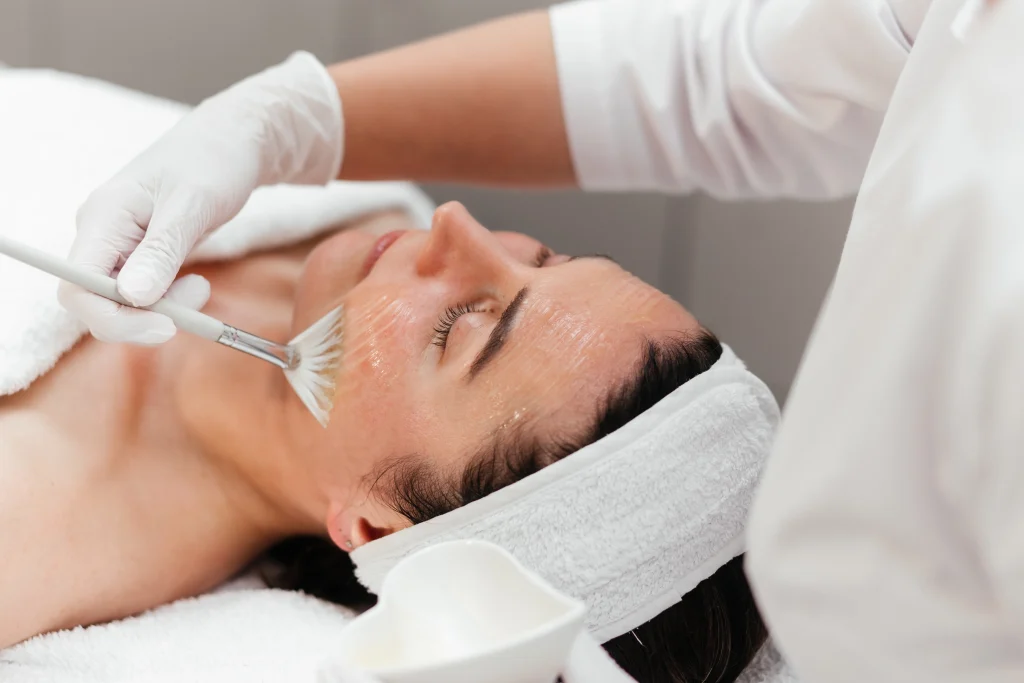
What Are Microneedling and Chemical Peels?
Before comparing the two, it helps to understand what each treatment actually does to your skin.
- Microneedling (also called collagen induction therapy) uses a device covered in tiny needles to create controlled micro-injuries in the skin. These microscopic punctures trigger the body’s natural healing response, stimulating the regeneration of new tissue. Sessions typically last 30–60 minutes, and most people need a series of three to six treatments spaced four to six weeks apart.
- Chemical peels use acidic solutions, such as glycolic acid, salicylic acid, lactic acid, or trichloroacetic acid (TCA), to dissolve the outermost layers of the skin. Depending on the depth of the peel (superficial, medium, or deep), they can address anything from mild dullness to significant sun damage and wrinkles. Recovery ranges from a day or two of mild flaking to up to two weeks of visible peeling.
Collagen Production: How Each Treatment Rebuilds Your Skin
One of the most significant long-term benefits of both treatments is their ability to stimulate collagen production, the structural protein that keeps skin firm, plump, and youthful.
- Microneedling is particularly effective here. By physically creating micro-channels in the dermis, it sends a direct signal to fibroblasts – the cells that manufacture collagen and elastin – to kick into high gear. The result is a gradual but meaningful improvement in skin thickness and elasticity over several months following treatment.
- Chemical peels stimulate collagen indirectly. By removing damaged surface cells and causing controlled inflammation, they encourage the skin to renew itself from the bottom up. Medium and deep peels tend to have a more pronounced collagen-stimulating effect than superficial ones, though they come with more recovery time and a higher risk.
Acne Scars: Which Treatment Comes Out Ahead?
Acne scars are one of the most common reasons people seek professional skin treatments, and both options have a track record here, though they work better on different scar types.
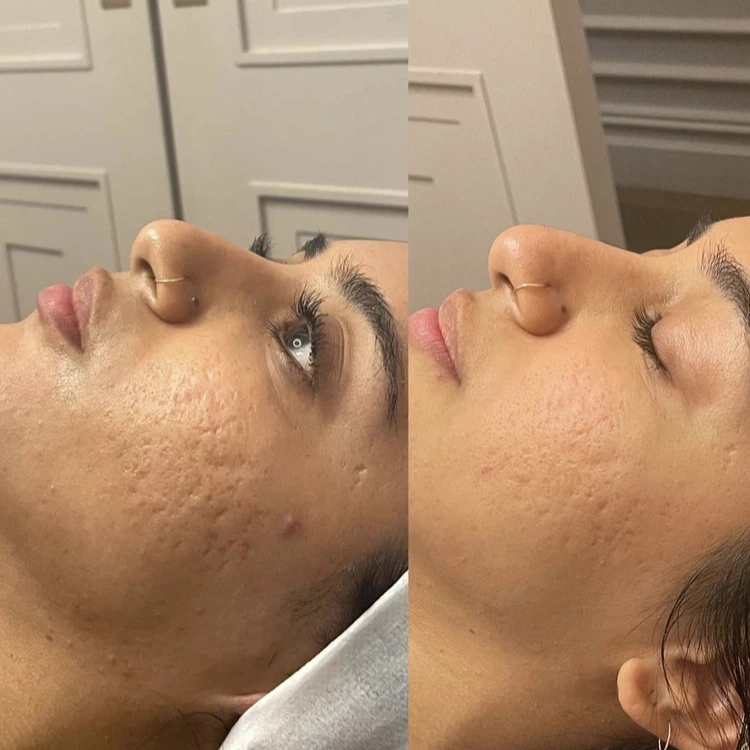
- Microneedling is widely considered the gold standard for atrophic (depressed) acne scars, including icepick, boxcar, and rolling scars. The needles break up fibrotic scar tissue and stimulate fresh collagen to fill in indentations over time. Multiple sessions are needed, but the results can be dramatic.
- Chemical peels tend to work better on post-inflammatory hyperpigmentation (PIH) – the dark marks left behind after a breakout – rather than textural scarring. A salicylic acid peel, for instance, can significantly brighten stubborn red or brown spots after just a few sessions.
Key takeaways on acne scars:
- Microneedling: best for textural, depressed scars
- Chemical peels: best for discoloration and dark marks
- For comprehensive acne scar treatment, combining both can deliver superior results
Chemical Peels for the Treatment of Sun Damage and Hyperpigmentation
When it comes to sun damage, age spots, and uneven skin tone caused by years of UV exposure, chemical peels for these concerns have a well-established clinical history. Glycolic acid and TCA peels are particularly effective at breaking up melanin clusters and accelerating cell turnover, which gives the skin a more even, luminous appearance.
- Superficial peels are ideal for maintenance and brightening.
- Medium-depth peels – often using 35% TCA or Jessner’s solution – can address more significant sun damage, moderate wrinkles, and stubborn discoloration.
- Deep phenol peels are reserved for severe cases and require significant downtime and careful medical supervision.
Darker Skin Tones and Treatment Safety
This is one of the most important considerations in the chemical peel versus microneedling debate, and it’s often glossed over in general skincare content.
- People with darker skin tones (Fitzpatrick types IV–VI) face a higher risk of post-inflammatory hyperpigmentation with any skin treatment that triggers inflammation. However, the two treatments carry meaningfully different risk profiles.
Microneedling is generally considered safer for darker skin because it doesn’t rely on chemicals that can unpredictably affect melanin production. The micro-injuries are uniform and controlled, and because the treatment doesn’t target pigment directly, the risk of PIH – while not zero – is considerably lower.
Chemical peels carry a higher risk for darker skin, particularly medium and deep peels. Stronger acids can trigger melanocyte overactivity, worsening hyperpigmentation rather than improving it.
Choosing the Right Peel for Darker Skin
That said, chemical peels are not off the table for patients with deeper complexions – they simply require more careful selection and professional guidance:
- Superficial peels (lactic acid, low-concentration glycolic, mandelic acid) are generally well-tolerated
- Mandelic acid is especially popular for darker skin because its larger molecular size means slower, more even penetration
- Salicylic acid peels have a strong safety record across all skin types for treating acne
- Pre-treating with a topical retinoid or hydroquinone for four to six weeks can significantly reduce PIH risk
- Medium and deep peels should only be performed by an experienced dermatologist on darker skin tones, with careful patient selection
A Comparison of Microneedling versus Glycolic Acid Chemical Peel
The comparison of microneedling versus glycolic acid chemical peel is one of the most searched head-to-heads in aesthetic medicine – and for good reason. Glycolic acid peels are among the most widely available and affordable chemical peel options, while microneedling has become the go-to for structural skin improvement.
Here’s how they stack up:
| Factor | Microneedling | Glycolic Acid Peel |
|---|---|---|
| Best for | Texture, scars, firmness | Dullness, mild hyperpigmentation, fine lines |
| Downtime | 1–3 days (redness) | 1–5 days (flaking) |
| Sessions needed | 3–6 | 4–6 (monthly) |
| Pain level | Mild to moderate | Mild tingling to moderate stinging |
| Cost per session | $200–$700 | $100–$300 |
| Safe for dark skin | Generally yes | With caution |
Glycolic acid peels win on accessibility and cost, and they’re excellent for regular maintenance. Microneedling wins for structural improvement and broader skin-type compatibility. For someone dealing with both texture and tone issues, rotating between the two under professional guidance often yields the most comprehensive results.
Which One Should You Choose?
There’s no universal answer, but a few guiding principles can help you decide. If your primary concerns are firmness, enlarged pores, acne scars, or general skin quality, microneedling is likely the better starting point. If you’re focused on brightening, surface renewal, or managing early signs of aging and sun damage, a chemical peel series might get you there faster.
The most important step is consulting a licensed dermatologist or aesthetician to evaluate your skin type, tone, and goals before recommending a treatment plan. Both treatments are powerful tools – and in the right hands, used together, they can be transformative.Book Your Appointment at GetPlump!
At GetPlump, our team specializes in both clinical and aesthetic dermatology, bringing together evidence-based techniques and personalized care to help you look and feel your best. Whether you’re looking to treat acne scars, address uneven tone, or simply refresh tired-looking skin, we offer a full range of treatments tailored to your unique needs. Our experts are highly experienced in performing chemical peels and microneedling safely and effectively across all skin types, including for patients with darker skin who require a more careful, nuanced approach to avoid unwanted pigmentation changes.
We use the latest protocols for skin rejuvenation, from glycolic acid peels for acne and congested skin to advanced microneedling sessions that stimulate collagen production and slough away dead skin cells that dull your complexion. Our practitioners carefully evaluate outcomes in acne scar patients to continuously refine treatment plans, ensuring every session moves you closer to your goals. For those who benefit most from a combined approach, we offer customized programs pairing microneedling and glycolic acid treatments to maximize results with minimal downtime.
Ready to take the next step? Book your consultation at GetPlump today and discover what expertly guided skin treatment can do for you.
Final Thoughts on Microneedling vs Chemical Peels
The science behind skin resurfacing continues to evolve, and research is helping clinicians better understand how to compare the efficacy of chemical peels for acne scars against other leading interventions. Studies that examine both microneedling and 35% glycolic acid chemical peel protocols have shed important light on how each approach performs against atrophic acne scars – the depressed, pitted scars that are among the most difficult to treat.
In many clinical trials, acne scar treatment efficacy was represented by an improvement greater than one grade. The Goodman and Baron Scarring Grading System, measured two weeks after the completion of the last treatment session, provides a standardized benchmark that allows researchers to meaningfully compare outcomes. The efficacy of microneedling, which works by driving fine needles into the dermis to stimulate collagen remodeling, has proven particularly strong in patients with acne scars who fall within FST IV to VI skin tone categories that are often poorly served by more aggressive chemical resurfacing options. When performed incorrectly or without proper patient selection, both treatments risk overall unsatisfactory clinical outcomes, which is why professional oversight is non-negotiable in the treatment of acne scars. Understanding the epidemiology of acne vulgaris reminds us just how widespread these concerns are – and how much is at stake for the millions of people seeking lasting improvement. Whether you choose microneedling for structural scarring, a chemical peel series for brightening and renewal, or an enhanced protocol incorporating platelet-rich plasma to further accelerate healing and collagen synthesis, the goal remains the same: improved skin texture and restored confidence. Patients who commit to a well-designed treatment plan consistently report better overall skin texture, reduced scarring depth, and a more even complexion. To protect and prolong those results, proper application of sunscreen every single day is not optional – it’s the foundation that keeps your investment intact. With the right combination of clinical expertise, proven techniques, and diligent aftercare, healthier skin is well within reach.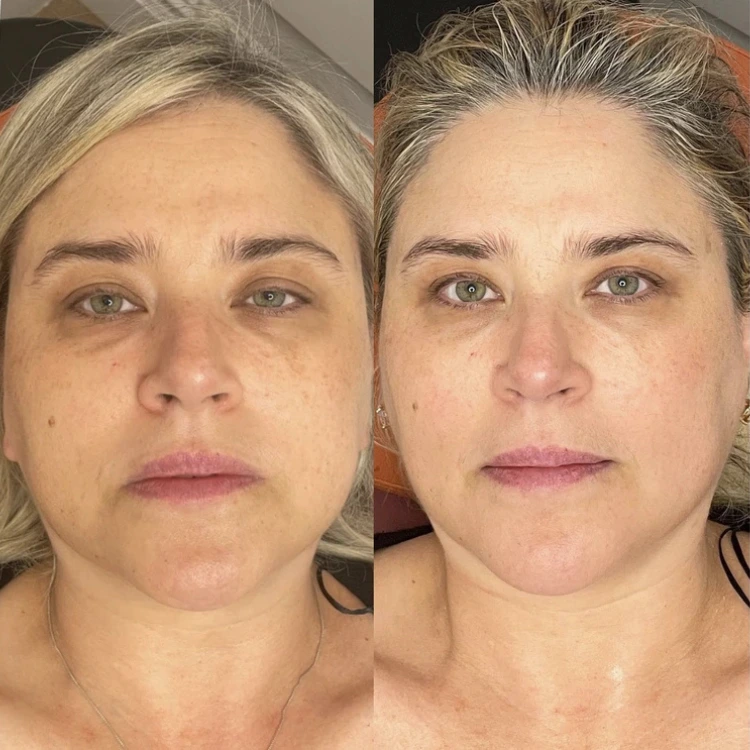


By Dr. Blinski
February 28, 2026