


When you’re standing in front of the mirror noticing fine lines around your eyes or volume loss in your cheeks, it’s natural to wonder which cosmetic treatment is right for you. The choice between Botox and fillers depends on what you’re trying to achieve: Botox temporarily relaxes muscles to smooth dynamic wrinkles caused by facial expressions, while dermal fillers add volume to areas that have lost fullness or need enhanced contours. Understanding how each treatment works, what concerns it addresses, and its unique benefits will help you make an informed decision about which option – or combination of both – best meets your aesthetic goals.

Botox is derived from botulinum toxin type A, a purified protein that temporarily blocks nerve signals to specific facial muscles. When these muscles can’t contract as forcefully, the skin above them smooths out, reducing the appearance of wrinkles caused by repetitive movements.
The treatment targets what dermatologists call “dynamic wrinkles” – lines that appear when you smile, frown, squint, or raise your eyebrows. Common treatment areas include:
Botox injections are quick, typically taking only 10-15 minutes, and results usually appear within 3-7 days. The effects last approximately three to four months, after which muscle activity gradually returns, and wrinkles begin to reappear. Many people maintain their results with regular treatments scheduled every 3 to 4 months.
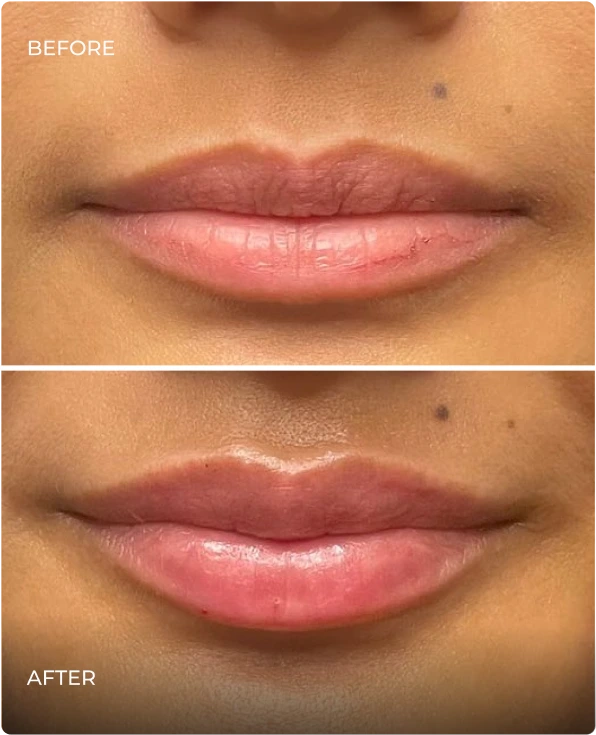
Dermal fillers take a completely different approach to facial rejuvenation. Rather than relaxing muscles, fillers add volume beneath the skin’s surface. Most modern fillers contain hyaluronic acid, a substance naturally found in your body that attracts and retains moisture, creating a plumping effect.
Fillers address “static wrinkles” – lines and folds visible even when your face is at rest – and areas where volume has diminished due to aging. The treatment can restore volume to hollowed areas and enhance facial contours.
Popular filler applications include:
Results from filler treatments are immediate, though some swelling may temporarily affect the final appearance. Depending on the specific product used and the treatment area, fillers typically last from 6 months to 2 years or longer.
Understanding the fundamental distinctions between these treatments is essential for choosing the right option.
Choosing between these treatments starts with identifying your primary concerns.
Many people benefit from both treatments. A comprehensive approach might include Botox to smooth forehead lines and crow’s feet, combined with fillers to restore cheek volume and fill nasolabial folds. Your age and skin condition also play a role – younger individuals often start with Botox alone for preventative care, while those experiencing significant volume loss typically benefit from fillers or a combination approach.
Both procedures are minimally invasive and performed in-office, usually without anesthesia beyond a topical numbing cream if desired. Your provider will assess your facial structure, discuss your goals, and develop a customized treatment plan.
During Botox injections, your provider uses a very fine needle to inject small amounts of the neurotoxin into targeted muscles. Most people describe the sensation as a slight pinch. The entire process takes about 10-15 minutes, and you can return to normal activities immediately, though you’ll be advised to avoid lying down or exercising vigorously for a few hours.
Filler treatments involve injecting the gel-like substance beneath the skin using a fine needle or cannula (a thin, flexible tube). Your provider may massage the area to ensure even distribution. Sessions typically last 15-45 minutes, depending on the number of areas treated. Some temporary swelling, redness, or bruising is normal, but most people resume regular activities right away.
Both treatments offer distinct advantages for rejuvenating your appearance. Botox provides a natural-looking smoothing effect when administered properly, preventing wrinkles from deepening over time through preventative use. The treatment is highly predictable, with minimal downtime and a well-established safety profile from decades of use.
Fillers excel at addressing multiple concerns simultaneously – they can restore volume, smooth wrinkles, and enhance contours in a single session. Results are immediate and customizable, with different product formulations designed for specific areas and concerns. Modern hyaluronic acid fillers are also reversible if needed, offering an additional layer of safety and flexibility.
When used strategically together, Botox and dermal filler injections create comprehensive facial rejuvenation that addresses multiple signs of aging simultaneously. Botox effectively treats forehead wrinkles and prevents new wrinkles from forming by reducing the muscle movements that create lines. Soft tissue fillers restore lost volume in areas where fat pads have diminished over time. This dual approach not only smooths existing wrinkles but also adds back the fullness that contributes to a more youthful appearance. The combination is particularly effective for treating complex areas like vertical lip lines, where both muscle relaxation and volume restoration work together to create smoother skin.
The synergy between these treatments allows for natural-looking results that single-treatment approaches often cannot achieve. While Botox prevents dynamic wrinkles from deepening through repeated facial expressions, fillers simultaneously plump and lift sagging tissues, creating a harmonious balance between wrinkle reduction and volume enhancement. Many patients find that using both treatments means they need less of each individual product while achieving superior overall results. This complementary relationship makes it possible to address the full spectrum of aging concerns – from fine lines to volume loss – in a single treatment session, maximizing both convenience and aesthetic outcomes.
The best way to determine which treatment you need is to consult with a qualified injector – ideally, a board-certified dermatologist or plastic surgeon. They’ll evaluate your facial anatomy, discuss your aesthetic goals, and recommend a personalized treatment plan. Both Botox and dermal filler procedures require expertise and artistic skill to achieve natural-looking results, so choosing an experienced provider is crucial. Your practitioner should have extensive knowledge of facial anatomy, understand how different facial fillers behave in different tissue types, and be able to assess concerns such as sagging skin that may require a combination approach. Unlike Botox treatment, which primarily addresses muscle contractions in the upper face, fillers offer versatility across multiple facial zones, though the injection site must be carefully selected based on your unique needs.
Remember that these cosmetic procedures aren’t competing treatments but complementary tools that enhance your natural beauty while addressing different aspects of facial aging. Your provider may recommend Botox for horizontal forehead lines, while suggesting fillers containing poly-L-lactic acid or calcium hydroxylapatite for deeper volume restoration in the cheeks. Some patients discover specialized techniques, such as the lip flip, which uses Botox to subtly enhance the upper lip without adding volume. It’s important to understand that factors like blood flow to the injection site can affect healing and results, which is why following post-treatment instructions carefully matters. Botox results typically emerge gradually over several days, while filler effects are immediate. Whether you choose Botox, fillers, or both, these treatments offer effective options for looking refreshed and feeling confident in your fuller appearance.
GetPlump can help you reduce signs of aging with one treatment or multiple sessions tailored to your needs.

By Dr. Blinski
January 31, 2026